

Although water seems abundant in Hawai’i, our freshwater resources are under increasing strain and need our care. For generations, rainfall has naturally replenished the aquifers that supply our drinking water. Climate change has made this vital source less stable, as rainfall decreases and consecutive dry days and drought conditions become increasingly prevalent.
The same limited freshwater supply supports local residents, agriculture, businesses, and visitor-facing services, which makes protecting it all the more important.
Through mindful choices, we can all help to conserve our precious water resources. One way you can engage in good water conservation practices is by focusing on something you may water frequently – yards and greenspaces! Incorporating xeriscaping into your yard or landscape can help reduce water consumption, while creating a beautiful greenspace for you to enjoy. Xeriscaping is the process of designing a landscape to promote water conservation. Approaches like using conscious watering practices, selecting drought-tolerant and native plants, limiting turf areas, amending the soil to improve water infiltration, and proper maintenance are all ways you can xeriscape.
Xeriscaping and conserving water during landscape maintenance can also reduce the volume of excess water that overflows from your lawn and into the storm drain system, transporting harmful pollutants like fertilizer and pesticides into the ocean.
By taking action now to be more water conscious, we can protect Hawai’i’s water resources for future generations to come.
Here are some easy ways you can do your part to conserve Hawaiʻi’s water and promote water conservation in greenspaces.
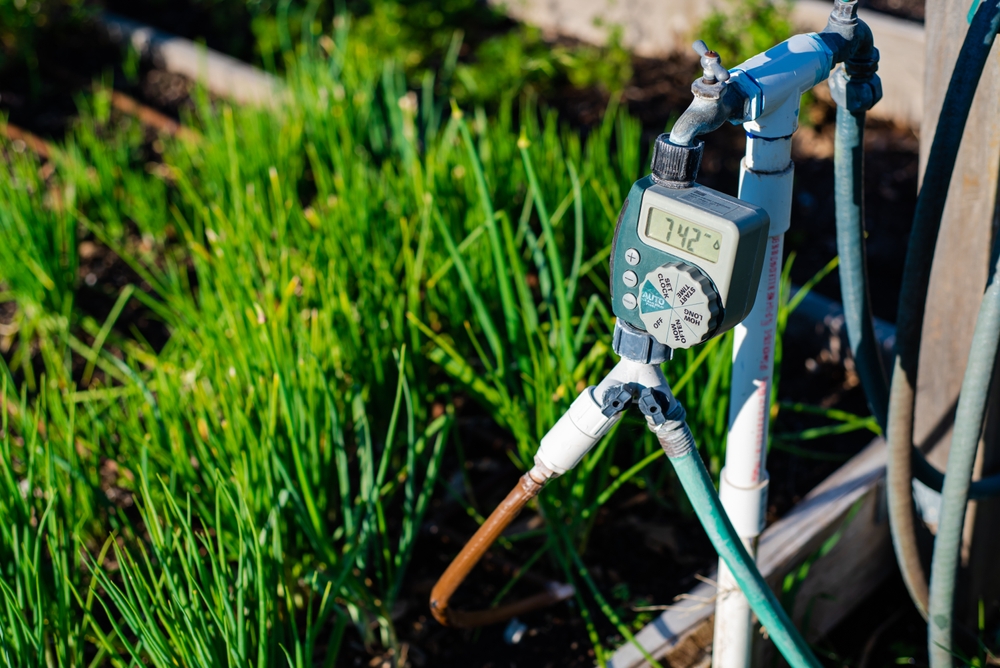
- Use water-saving drip irrigation or sprinkler systems with timers for outdoor irrigation to prevent overwatering. Some systems can even schedule irrigation based on real time or historic weather conditions and evapotranspiration to adjust watering to local landscape requirements.
- Fix leaks early. Even small household or irrigation leaks can add up, wasting gallons of water every day. You can install sensors to detect leaks or large changes in water use to identify and address leaks as soon as they appear.
- Attach a spray nozzle to your hose. Adding a spray nozzle makes it easy to turn off the water as you move between planted areas while watering.
- Water your plants in the early morning or at night. Scheduling waterings during the hours of 5 p.m. to 9 a.m. reduces the evaporation of water from the sun’s heat.
- Amend your soil. Mixing compost into the soil can increase water absorption, while covering the soil surface with mulch can help retain water.
- Design your landscape in similar hydrozones. Group plants with similar watering needs together in areas of similar slope, sun exposure, and soil conditions.
- Adjust your mower height. Raising your lawnmower blades to keep a longer 2.5 to 3-inch grass length protects the soil, encourages better root growth, and improves moisture retention.
- Know your landscape’s soil type and infiltration rate. Soils can have different proportions of sand, silt, and clay, which influences its infiltration rate, or how fast water can move through it. Research the soil type in your area to ensure that your irrigation rate is not more than the infiltration rate, to prevent excess water runoff, ponding, and evaporation.
- Plant drought-tolerant native and non-invasive vegetation to decrease watering needs throughout your landscape. Learn more about the different plants you can incorporate in your garden here.
- Use a rain barrel to collect water for non-potable (non-drinkable) outdoor use, like watering plants.
- Incorporate green storm water infrastructure into your landscape. Features like rain gardens, vegetated swales or bioswales, retention basins, and bioretention planters can facilitate infiltration of water into the group, to retain water on site.
- Conduct regular inspections and maintenance. Maintaining the landscape keeps plants healthy and helps them thrive. Regularly inspecting irrigation and drainage systems can help you catch any malfunctions and keep the system running efficiently.
Every drop counts. Small conservation steps help protect Hawaiʻi’s freshwater supply.
Sources: EPA, University of Hawaiʻi, DLNR, Landscape Industry Council of Hawaiʻi, US Department of Energy