
Understanding the importance of Hawaiʻi’s environment, the Hawaiʻi Department of Transportation (HDOT) prioritizes sustainability through initiatives that reduce carbon emissions statewide, and promote material recycling and pollutant reduction to keep our storm water and waterways clean and clear. From creating more eco-friendly roads and bridges to promoting the use of greener transportation options, HDOT is committed to protecting natural resources as it oversees systems serving approximately 1.45 million residents, 480,000 drivers, and 190,000 public transit users. Learn about some of HDOT’s sustainability initiatives below.
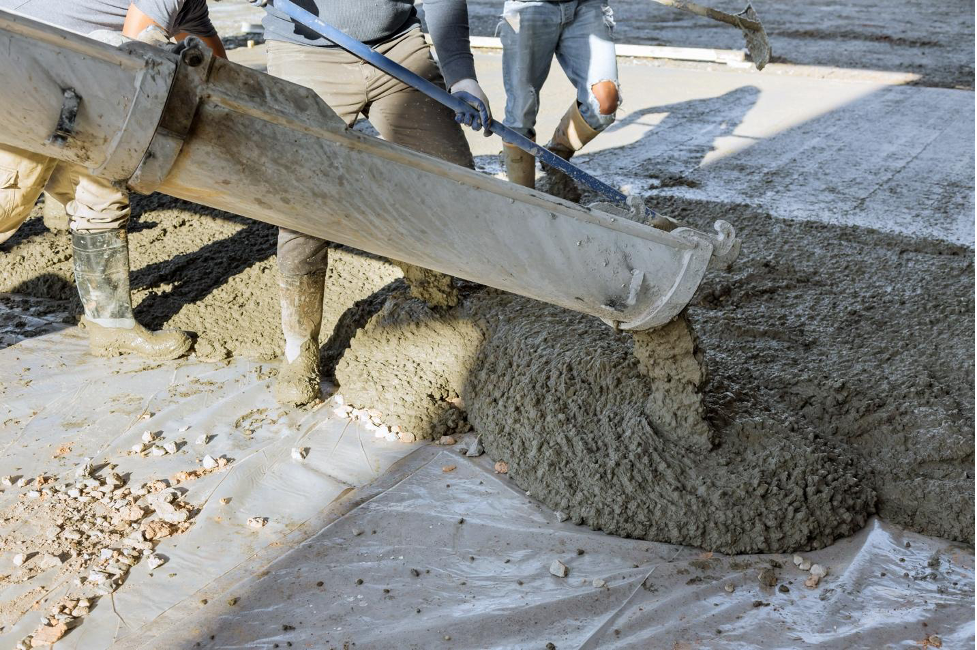
In 2019, HDOT tested a sustainable concrete mix injected with carbon dioxide using CarbonCure Technology. The process traps planet-warming gases in mineral form within the foundations of highways and bridges, helping to reduce carbon emissions. The result is stronger, more durable materials that support a more resilient transportation system.
Over the years, Hawaiʻi has continued to invest in electric vehicles. In 2021, HDOT purchased 43 with the goal of eventually converting its entire light vehicle fleet. To support this transition, 43 charging stations were also purchased, some of which are available for public use. These investments advance the state’s clean energy goals and reduce transportation-related emissions and storm water pollution.
Reducing emissions and storm water pollution also means encouraging other ways to get around. Through HDOT’s Transportation Alternatives Program, the State funds projects that make walking, biking, transit, and ridesharing safe and more accessible. Funded projects such as the Honolulu bikeshare program, Hawaiʻi Island Bikeshare, and Skyline stations provide residents and visitors with sustainable options for daily travel. To learn more about sustainable transportation on Oʻahu, check out our Commuter Guide.
HDOT and its partners are testing ways to reuse materials in road construction, including recycled plastic pellets in asphalt. Repurposing plastic can help reduce the amount of trash that ends up on our roadways and in our storm drains. Other states have adopted this method for several years with promising results. Because Hawaiʻi’s warm and humid climate places unique stress on roadways, local testing helps determine long-term performance and sustainability.
Source: HDOT