
Getting from one place to another is a part of everyday life. Whether it is driving to work, school, the grocery store, or the beach, our roads connect us to the places and people around us. Choosing alternative forms of transportation when possible can help reduce the number of vehicles on the road while encouraging us to think more about how we move through our communities.
National Week Without Driving takes place October 1-8, 2026. The campaign encourages community members to reduce or eliminate driving for the week and explore other ways of getting around, such as walking, biking, carpooling, or taking public transportation. The goal is to better understand the barriers faced by those who cannot drive because of age, disability, income, or other circumstances.
Consider these ways to drive less:
Walk, bike, or roll.
For shorter trips, consider walking, biking, using a scooter, or even rollerblading instead of driving. These options help reduce the numbers of cars on the road while giving you the chance to experience your neighborhood in a different way.
Take public transportation, rideshare, or carpool.
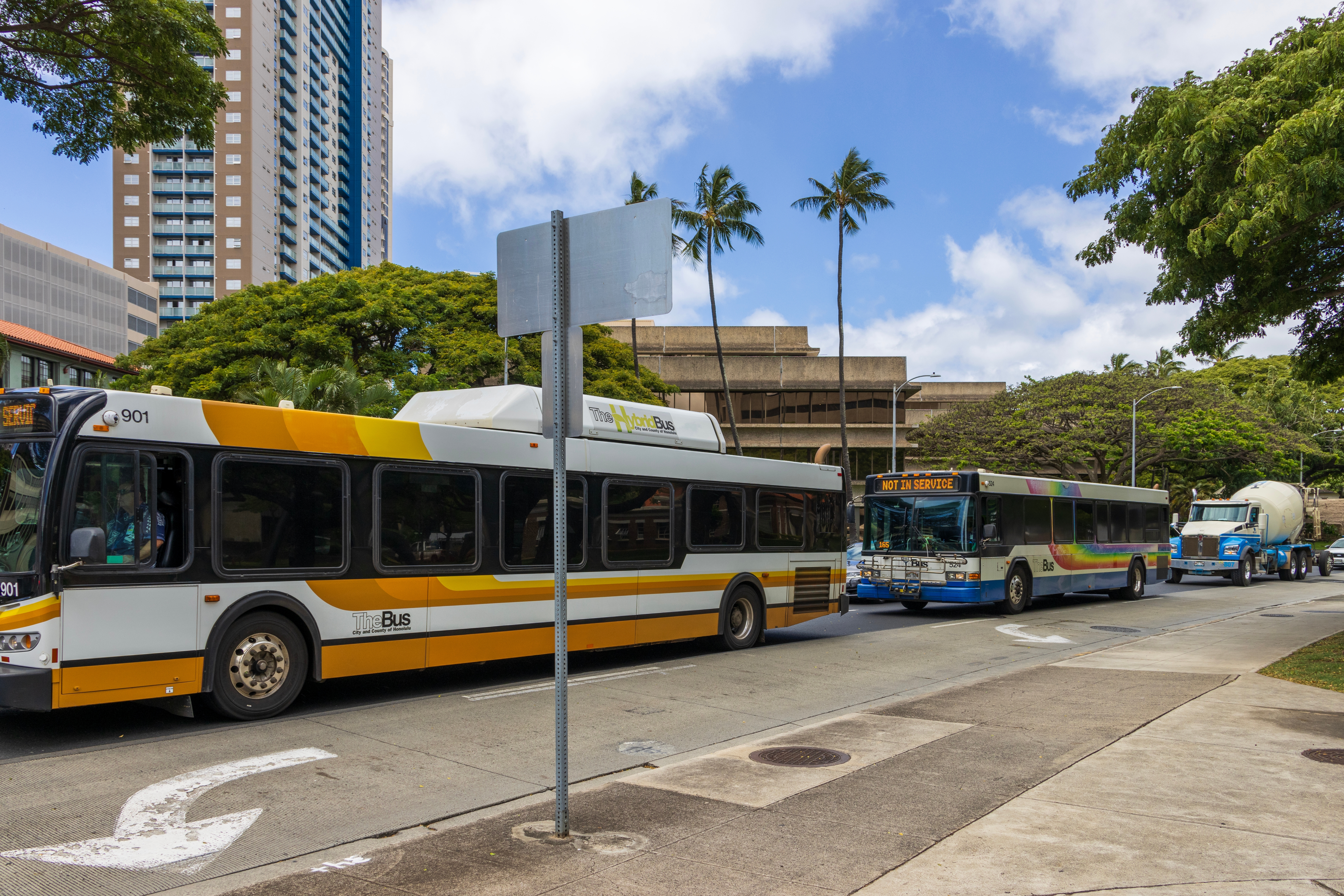
When possible, consider taking the bus or other forms of transportation instead of driving alone. You might also carpool or ask a friend or family member for a ride. National Week Without Driving encourages participants to try different transportation options and reflect on the time, effort, and accessibility involved. For more information on alternative transportation options, check out our blogs on public transit, and ridesharing and carpooling.
Combine your trips.
Planning ahead can help you reduce unnecessary trips. Instead of driving to multiple places separately, combine your errands into one trip when possible. Small changes like this can reduce the amount of time spent on the road.
National Week Without Driving is about more than simply leaving your car at home. It is an opportunity to experience your community differently and consider what transportation would look like if driving were not an option. The goal is to reflect on what is easy, what is difficult, and what could be improved for people who cannot drive.
This October, challenge yourself to drive less, even if it is only for a few trips. Walk, bike, take the bus, carpool, or find another way to get to where you need to go. By being mindful about how we travel, we can raise awareness and help create more accessible communities.
As a bonus, driving less also helps us protect our environment. Vehicles leave behind pollutants, like microplastics and motor oil, that can pollute our storm water, local waterways, and ocean. Driving less reduces those pollutants and helps to mālama i ka wai (protect the ocean). Check out our past blogs to learn more about the importance of driving less:
- Tips to Prolong the Life of Your Tires
- Caring for Your Car: Maximize Life, While Reducing Waste and Pollution
- Carpooling and Ridesharing in Hawaiʻi: The What, Why, and How
- The Pro Commuter: Your Guide to Public Transportation on Oʻahu
Source: Week Without Driving