
 Summer in Hawaiʻi means more time outside, from beach days and hikes to afternoons in the backyard or at the park. It is also a good time to talk to kids about how everyday choices help to protect our islands from litter and pollution.
Plastic waste is one of the most common types of debris found in our environment. When plastic bottles, caps, bags, and wrappers are not properly disposed of, they often wash into storm drains, streams, and the ocean, where they harm marine life and add to pollution.
Upcycling gives kids a hands-on way to practice Mālama ʻĀina (caring for the land), while learning about sustainability. Instead of throwing away clean plastic items, families can turn them into creative projects and help keep waste out of landfills and waterways.
Here are three DIY upcycled plastic projects you can make with your kids.
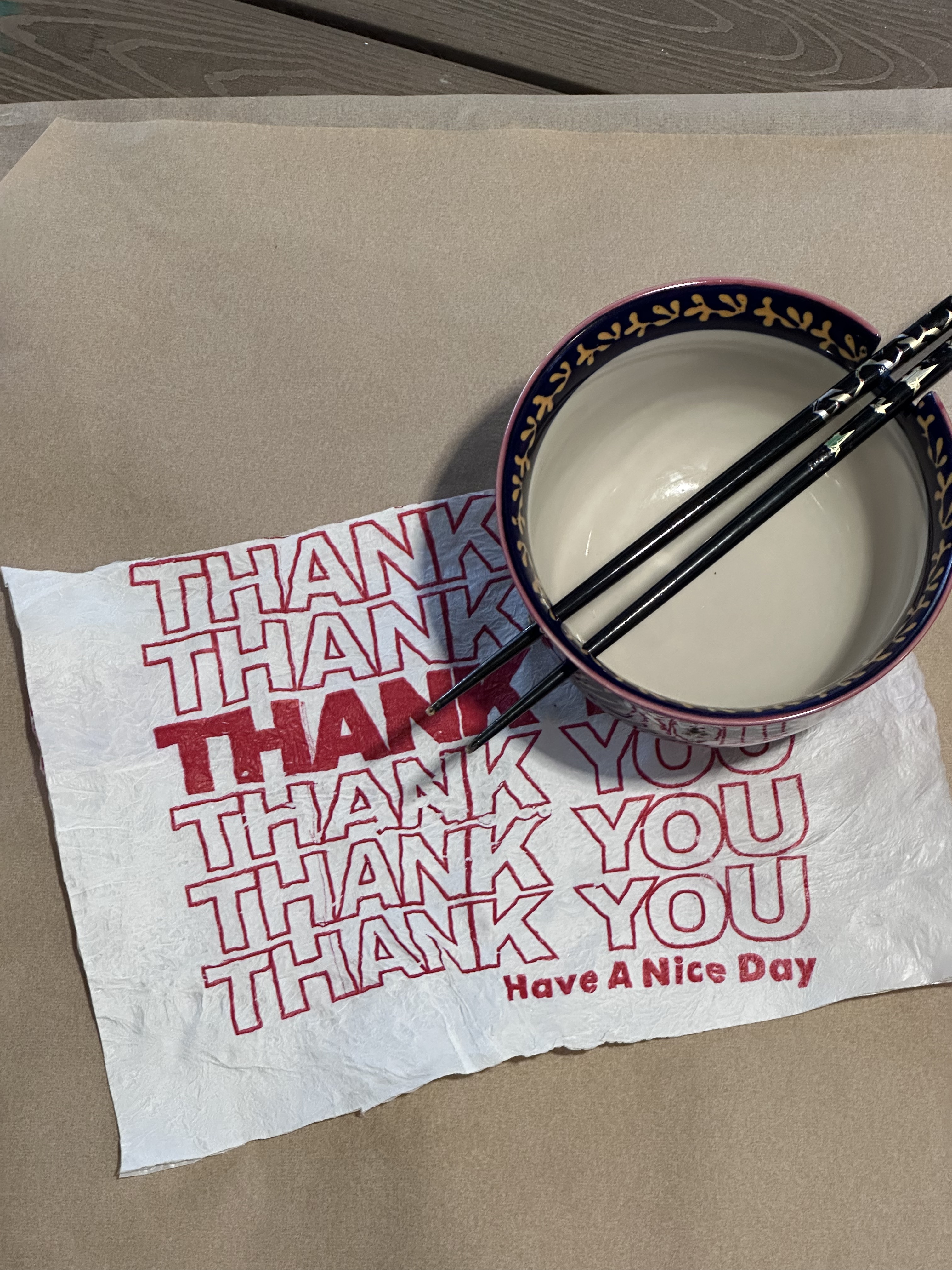
Upcycled Plastic Bag Placemats
Turn clean plastic bags into colorful, reusable placemats for snack time, craft time, or outdoor meals. This project involves an iron, so make sure to have an adult present to help during craft time.
Materials needed:
- Clean plastic bags, such as shopping bags, bread bags, or even newspaper delivery bags
- Iron and iron-safe surface
- Parchment paper
- Scissors or straight cutter
Steps:
- Place a large piece of parchment paper on an ironing board or iron-safe surface.
- Stack 6 pieces of thin, clear plastic on top of the parchment paper. This creates the base of the placemat. When cutting the plastic pieces, be aware that you may need to account for shrinkage when the plastic is heated.
- Cover the plastic with another large sheet of parchment paper. The iron should only touch the parchment paper, not the plastic directly.
- With an adult’s help, move a medium-low iron over the top of the parchment paper to melt the plastic together. Keep the iron moving and work in a well-ventilated area. If the plastic doesn’t melt, increase the iron’s heat setting slightly.
- Remove the top parchment paper and add smaller pieces of plastic to create shapes, colors, and designs.
- Cover the design with another piece of clear plastic and parchment paper, then iron again until the layers melt together.
- Let the placemat cool completely.
- Trim the edges into a rectangle or another shape.
Plastic Bag Kite
Give a clean plastic bag a second life as a lightweight kite for a windy day.
Materials needed:
- Two long sticks, such as straight branches or garden stakes
- Large plastic bag or lightweight plastic tarp
- String or yarn
- Ribbon
- Tape or glue
Steps:
- Prepare your frame by cutting or breaking one stick, so it is slightly shorter than the other.
- Place the sticks across each other in a lowercase “t” shape. The shorter stick should be about ⅓ of the way down the other stick.
- Tie or tape the sticks together where they meet, making sure they form right angles.
- Cut the plastic bag or tarp to fit the frame.
- Secure the plastic to the ends of the frame with string, tape, or glue. Make sure the plastic is tight.
- Tie a piece of string from one end of the shorter stick to the other, leaving little slack.
- Tie the kite string to the bottom end of the longer stick, looping it under the string tied to the cross-stick. Create a simple knot where they intersect.
- Attach ribbons to the bottom of your kite to help it balance. If your kite is a bit top heavy, you may also want to tie on a washer or other small weight.
- Head outside to an open space away from trees and powerlines, then get your kite in the air!
Bottle Piggy Bank
Repurpose an empty plastic bottle as a simple piggy bank kids can decorate and use to save coins.
Materials needed:
- Plastic bottle
- Scissors or Knife
- Items for the legs, such as thumbtacks, toothpaste caps, rolled paper, or pebbles
- Glue, markers, paint or other decorations
Steps:
- With an adult’s help, cut a slit on the side of the plastic bottle. Make sure it is long and wide enough to fit coins.
- Place the plastic bottle on its side, with the slit facing up.
- Attach four “legs” to the bottom of the bottle to keep it from rolling. You can use thumbtacks or glue on small items, such as pebbles, toothpaste caps or rolled paper.
- Decorate your piggy bank, let it dry and start saving.
By turning everyday plastics into useful items, families help keep them out of storm drains, streams, and the ocean. Protecting Hawai’i’s environment starts at home, and small steps like reducing, reusing, and upcycling help keiki understand how to care for the places they love.
Sources:
Marine Debris Program for Kids and Families
https://marinedebris.noaa.gov/our-work/education/kids-and-families